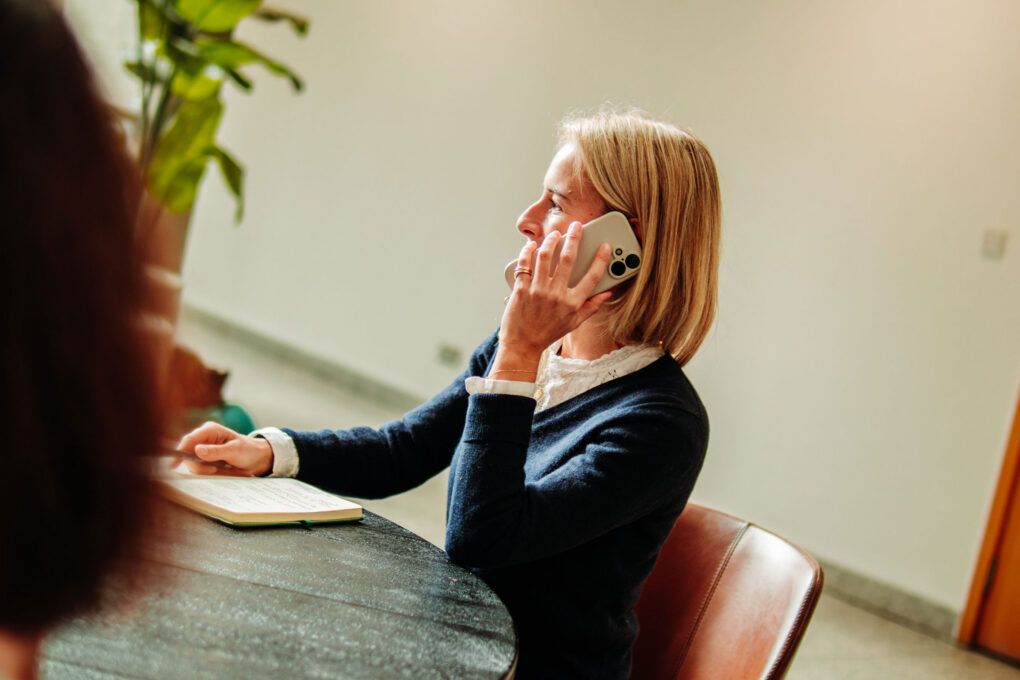
Sometimes you need to speak to the right person to understand where to go and what you can do next. Our helpline offers sympathetic, practical and confidential advice from trained volunteers with experience in clinical negligence.
Opening hours
Our helpline is open Monday to Friday, 10am to 3:30pm. Before calling, we recommend you explore the support and advice section, as our self-help guides might contain the information you’re looking for. But if you’re stuck or unsure where to go, we’re ready to help.
Our specially trained volunteers come from a range of professional backgrounds, including legal and clinical practice, as well as advocacy and complaints handling. All volunteers receive specialist training from us to support callers effectively and sensitively.
We are here to listen to you and offer sympathetic, practical advice about what options are open to you after you or someone you know has experienced avoidable medical harm. Our team can help explain some of the jargon and systems you may have come across, talk through your concerns, and help you identify possible next steps.
While we’re unable to provide legal advice or clinical opinions, we can, where appropriate, signpost you to our Specialist Clinical Negligence Panel solicitors for independent legal advice, or to other sources of support depending on the circumstances of your situation.
Please remember
The Avma helpline is staffed by a maximum of three volunteers at any one time, so please be patient if we can’t answer your call immediately. We are not a call centre, but we do want to hear from you, and we rely on our dedicated volunteers to keep our helpline running.
Please note also that we don’t advise on mental health issues relating to detention or treatment under the Mental Health Act or issues arising from mental health tribunals.
Additional information
Cases where we are unable to assist or advise
There are some areas of law where we don’t have the right expertise and some types of help we can’t provide.
We are committed to making our services accessible to everyone. If you can’t use our helpline because of a disability, communication need, or accessibility requirement, we can offer you additional help to access our services.
We are committed to protecting your privacy when you access our services in line with our website privacy notice and helpline confidentiality statement.
More in-depth support is available via our written advice service, in which dedicated advisors can work on your case with you and offer expert advice and support. Our small team cannot take on every case, but we will always offer you relevant guidance and advice.
We maintain a zero-tolerance policy toward any abuse, threats, or harassment directed at our staff and volunteers. This includes swearing, insults, and racial or sexual harassment, as well as persistent or unrealistic demands that cause undue stress. We reserve the right to immediately cease communication if this policy is breached. While we welcome you to our services, we ask that you treat our team with the same courtesy and respect that you are entitled to receive from us.