Skip to content

    Navigation breadcrumbs

  1. Home
  2. Stories
  3. Darius’s story

    Navigation breadcrumbs

  1. Home
  2. Stories
  3. Darius’s story

Darius’s story

“I became aware that I had cancer in the worst possible way. It is difficult to describe the impact that reading this letter on my app had on me…”

Darius’s experience highlights a recurring concern we hear from patients and families: when symptoms are not fully explored, opportunities for earlier intervention can be missed.

His story is not about individual fault — it illustrates what happens when systems are pressured, communication becomes fragmented, and concerns raised by different professionals are not consistently weighed or acted upon.

Darius is 24 — vibrant, adventurous, and full of life. He loves climbing, travelling, and exploring new places. He was working full-time, living independently, and excited for everything ahead of him. In early 2024, just 23, everything changed.

“In February 2024, I started experiencing really bad back pain,” he recalls. “I went to a physio, who thought it was probably sciatica caused by climbing and advised me to take paracetamol and gave me some exercises to do.”

As his pain worsened, Darius did what any of us would do — he kept seeking help. Despite NHS and private physiotherapy appointments, he became almost immobile. His private physio grew deeply concerned and urged him to request blood tests, a scan, and an X-ray.

Those warnings were brushed aside by his GP.

“I feel that this was the first missed opportunity to diagnose my cancer. The private physio had had three 30-minute appointments with me, but the practice physio, who had seen me for less than five minutes, dismissed her expertise.”
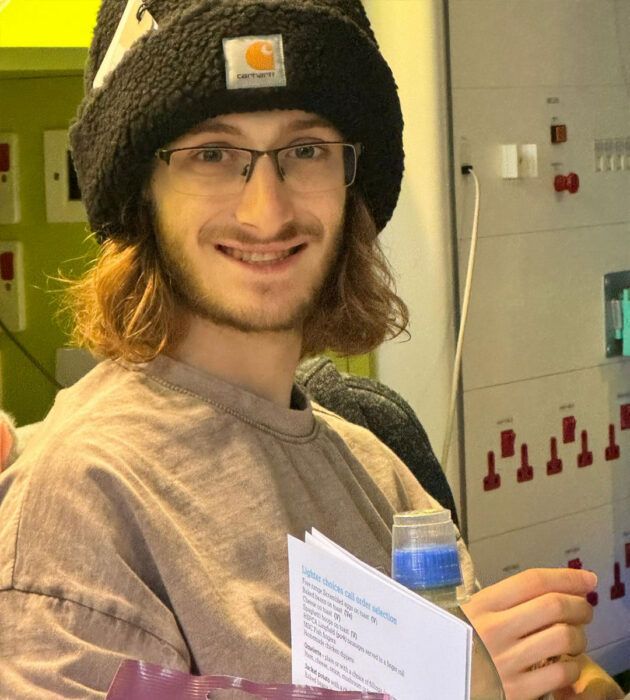

Months passed. Darius carried on without answers, without relief, and without being listened to. When the truth finally came, it arrived in the coldest possible way: through an NHS app notification while he was alone at work.

Darius had stage 4 non-Hodgkin’s lymphoma affecting his bones.

“This was the first time I became aware that I had cancer, in the worst possible way. It is difficult to describe the impact that reading this letter on my app had on me.”

Darius’s experience underlines several system issues that many medico-legal professionals will recognise: symptoms attributed to age or lifestyle without adequate review, professional disagreement not reconciled, and investigations not escalated despite red flags.

Darius’s message to those in charge is simple and powerful: “Take young patients seriously. Pain and symptoms should never be dismissed because of age. Listen, investigate, and communicate compassionately.”

By bravely sharing his story, Darius is pushing for a future where patients are listened to from the very first moment they ask for help, a future where compassion, openness and learning are at the heart of care.